Berlin Hosts Closing Event of MothersCan – Care, Career, Change
17.11.25
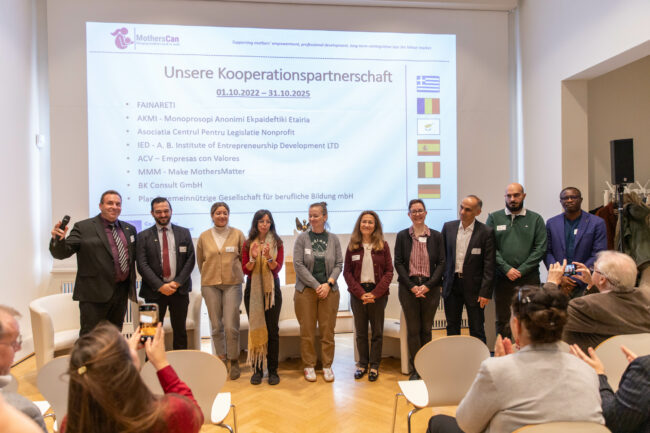
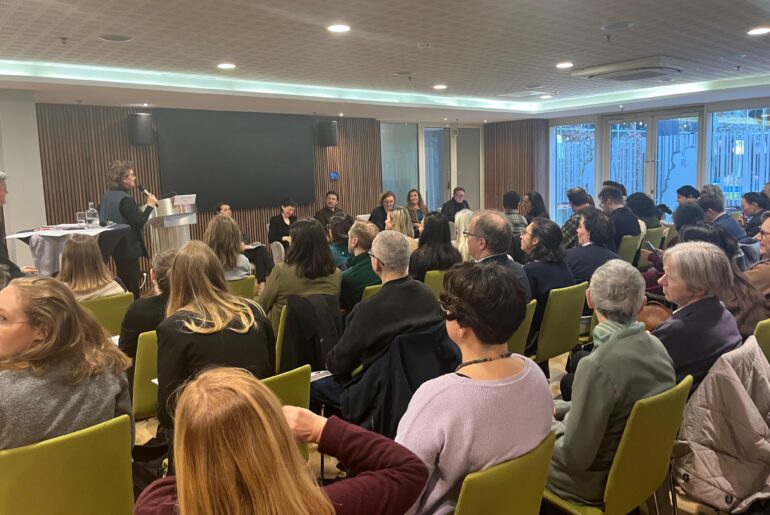
The official closing event of the Erasmus+ project MothersCan took place at the historic Biesdorf Palace in Berlin. Hosted by Olga Gauks, Member of the Berlin House of Representatives, the event brought together representatives from politics, business and education, and engaged mothers to celebrate and discuss the project’s achievements. Make Mothers Matter (MMM) presented the German findings of its 2024 State of Motherhood in Europe survey.
In her welcome address, Olga Gauks highlighted the importance of equal opportunities for mothers and access to continuing professional education, emphasizing MothersCan’s aim: to provide mothers with the resources and networks to develop their professional and personal potential.
Prof. Dr. Bernhard Beckmann, European Educational Institute for Vocational Training and Society, EBG, and Theodor Grassos, Secretary General, European Association of Institutes for Vocational Training, EVBB, underlined the project’s international dimension and its contribution to more inclusive education policies.
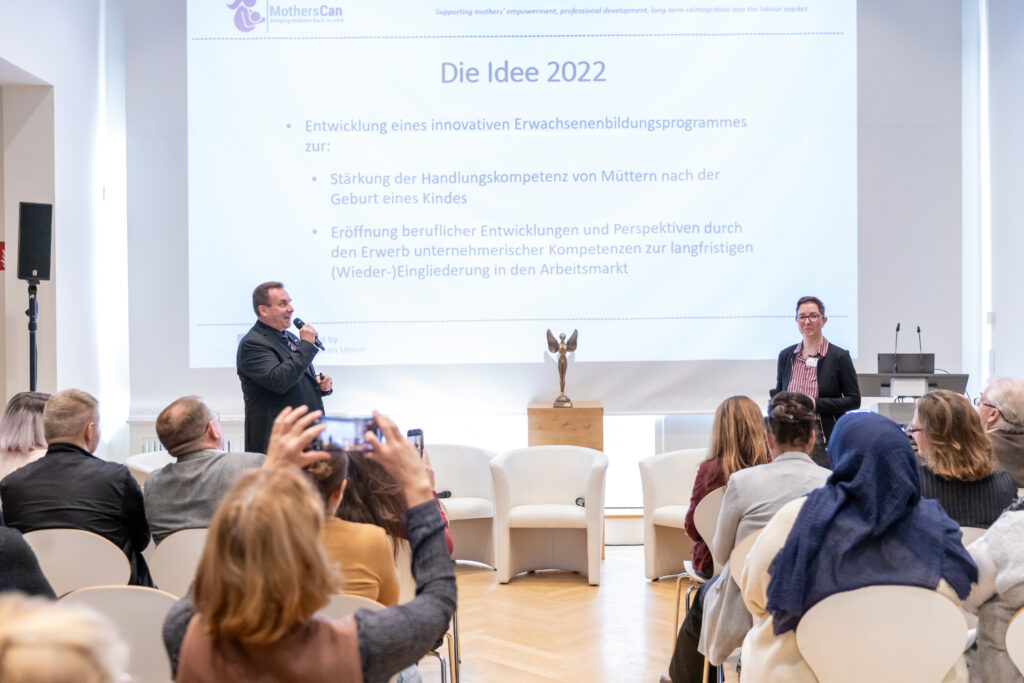 Thomas Zimmermann and Daniela Baum (Plan B gGmbH) presented an in-depth look at the project’s phases and achievements, with a particular focus on its positive impact on mothers’ professional integration and the creation of training opportunities tailored to their needs.
A highlight of the event was the presentation of the mothers’ survey by Make Mothers Matter, which showcased the challenges mothers face in balancing work and family life in Germany. Johanna Schima, MMM’s head of EU Delegation, highlighted the findings which reveal that German mothers report some of the highest rates of mental health challenges across the 12 countries surveyed.
SOME KEY German FIGURES
- 26% of mothers report depression (EU average: 20%)
- 46% feel mentally overloaded
- 68% change their employment status after having children (EU average: 55%)
- 21% leave paid work after their first child
- 44% feel society does not value their role
Johanna’s intervention offered recommendations for employers and policymakers. She stressed that meaningful change requires stronger support for parents, including longer, better-paid parental leave and flexible working rights. Her recommendations included:
- Expanding well paid parental leave and enabling fathers to actively participate in childcare.
- Strengthening enforceable rights to flexible work arrangements adapted to family needs.
- Providing high-quality, affordable childcare, including family-based and community alternatives.
- Crediting caregiving periods toward pensions and recognising unpaid care work as valuable labor.
- Promoting family-friendly companies and making parental skills visible and valued in the labor market.
- Reforming tax policies that create barriers to equal employment opportunities for mothers.
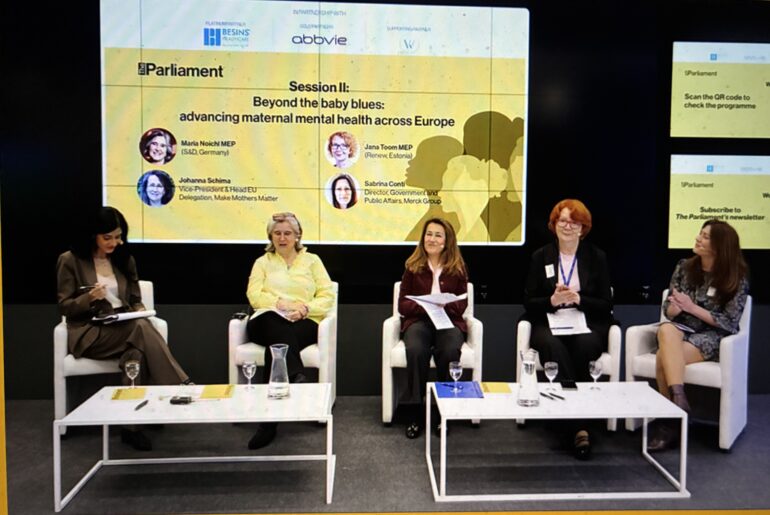
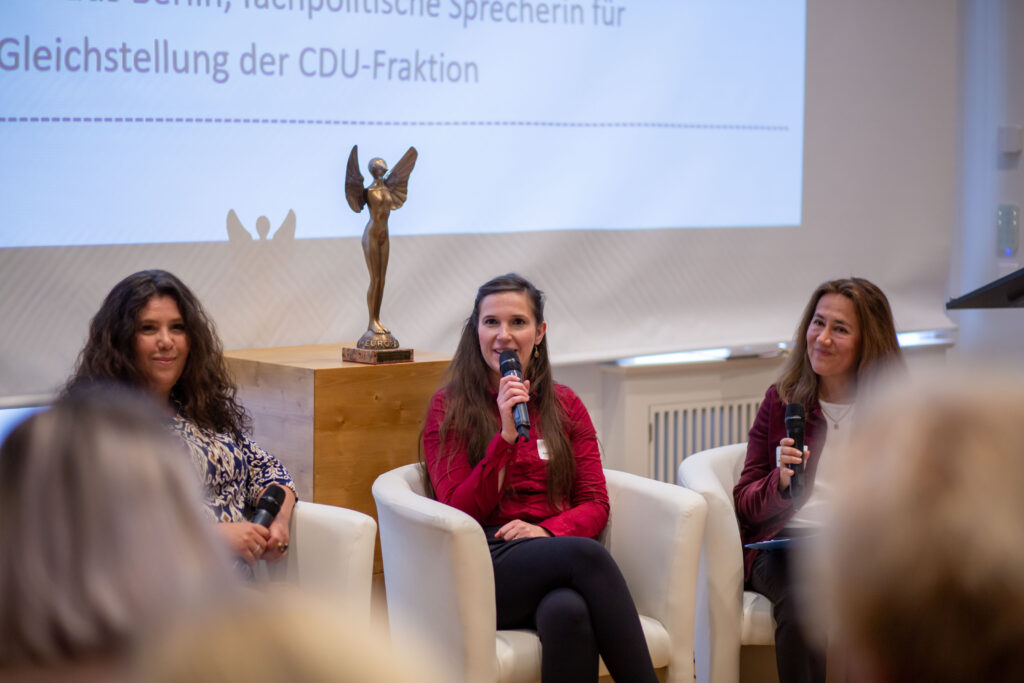 The event’s panel discussion featured Martha Kauffmann, entrepreneur, Mali Berlin gGmbH, Dr.-Ing. Diana Tartakowska, interim expert and auditor, Daniela Baum, and Johanna Schima, Make Mothers Matter, who explored the future of vocational education for mothers, highlighting the importance of targeted programs and political and workplace measures to support the reconciliation of family and career.
The event was a resounding success and marked an important step toward a more equitable working world for mothers. The project itself was recognized for its impact, winning the Die Europa Prize, which honors exceptional educational initiatives.
About the MothersCan Project:
The funded ERASMUS+ project MothersCan aimed to open new perspectives for mothers through targeted vocational training opportunities and to support them in their professional development. Through close collaboration with partners from the education sector, politics, and business, the project was able to initiate concrete changes and create a supportive network for working mothers.

 Share
Share Share
Share Print
Print Email
Email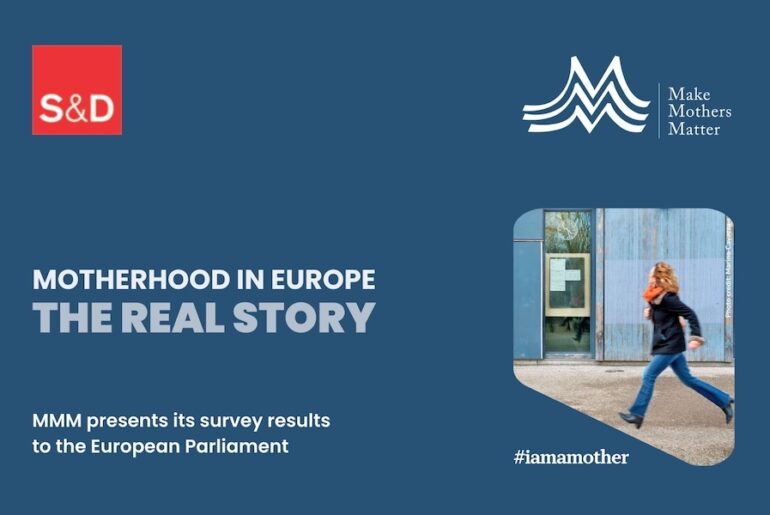
Europe Must Listen to Mothers: Our landmark report heads to the European Parliament
28.08.25
On 22 September 2025, the voices of mothers will take centre stage in Brussels. For the first time, Make Mothers Matter (MMM) will present its State of Motherhood in Europe
Belgian Mothers Face Alarming Rates of Burnout and Perinatal Depression, New EU Survey Finds
03.07.25
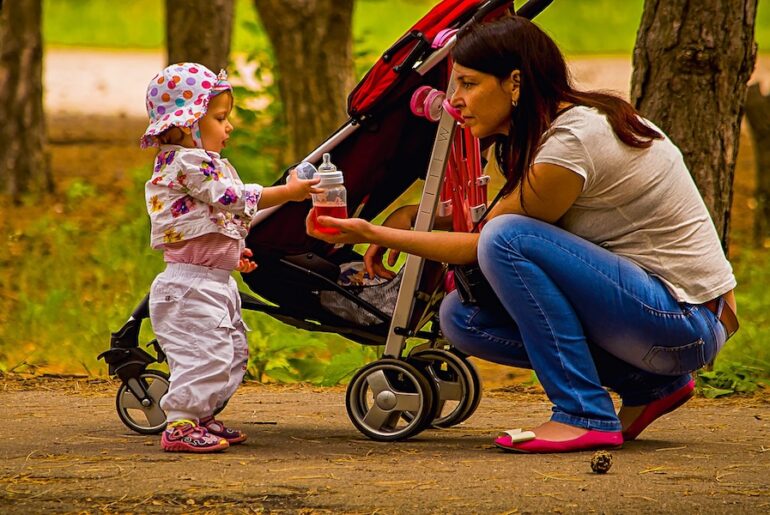
Belgian mothers are facing a mental health crisis. According to the State of Motherhood in Europe 2024 survey by Make Mothers Matter (MMM) and Kantar, Belgium reports the highest rates

Parental Mental Health Takes Centre Stage at the French National Assembly
02.04.25
Paris, France – On April 2nd, Make Mothers Matter was honoured to have key findings from its State of Motherhood in Europe 2024 report cited at the French National Assembly