Motherhood at Work in the EU
From Biological Protection to Structural Equality
10.03.26
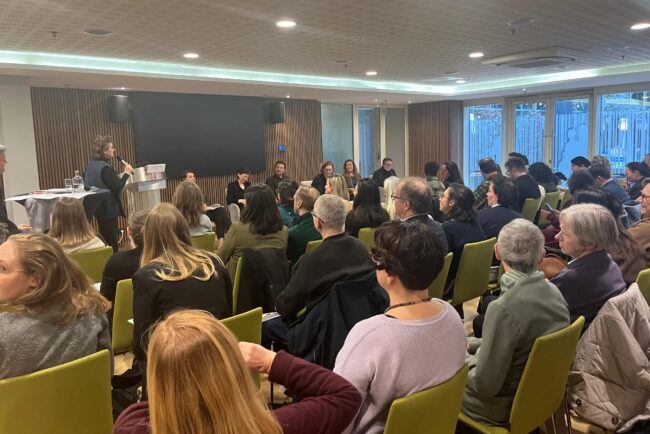
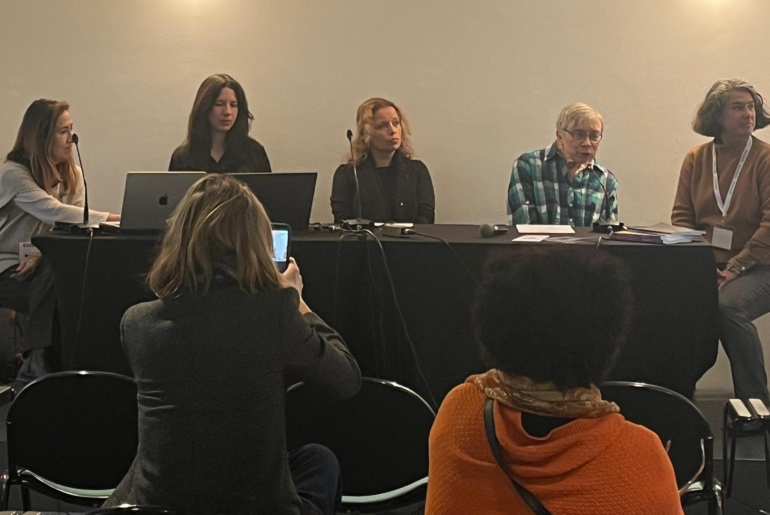
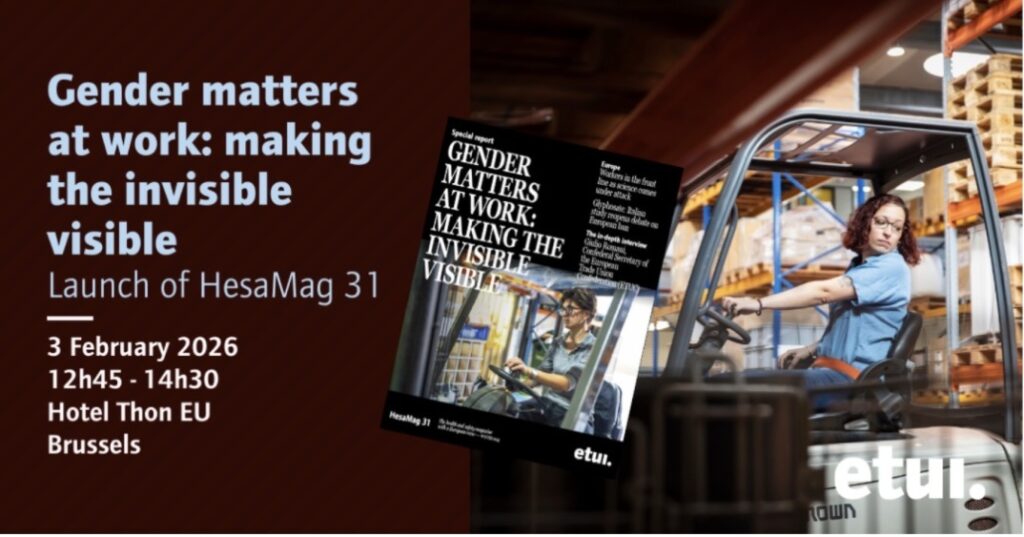
Make Mothers Matter was invited by ETUI to its event: “Gender matters at work: Making the invisible visible” to discuss the issue of motherhood at work in the European Union. During the discussion, we argued that motherhood should be recognised not only as a biological condition linked to pregnancy, but as a structural labour-market issue with long-term implications for women’s employment, health and economic security.
In the European Union, motherhood at work is still largely framed as a temporary biological condition linked to pregnancy and childbirth. While this approach has played an important role in protecting maternal and foetal health, it does not reflect the long-term realities faced by working mothers. Today, the main challenges associated with motherhood arise less from pregnancy itself than from the structural difficulty of combining paid employment with sustained caregiving responsibilities.
EU labour and occupational safety frameworks have historically focused on pregnancy-related protection, notably through the Pregnant Workers Directive (92/85/EEC), which addresses workplace risks during pregnancy and shortly after childbirth. However, this legal framework captures only a limited and time-bound dimension of motherhood. In practice, the impacts of motherhood on employment and health are long-term and structural.
Across the EU, women — and particularly mothers — continue to carry the majority of unpaid care and domestic work. Data from the European Institute for Gender Equality show that women are significantly more likely than men to perform daily housework, provide high-intensity childcare and offer personal and emotional care. This unequal distribution of care responsibilities has direct consequences for women’s employment opportunities, income and career progression.
Motherhood frequently leads women to adjust their participation in the labour market. Many mothers reduce their working hours, change employment status or experience interruptions in their careers. According to our 2024 MMM survey more than one in four mothers report negative impacts of motherhood on their career, including limited professional progression and income loss. At the same time, access to supportive measures such as gradual return-to-work schemes, teleworking or flexible working arrangements remains uneven.
These structural constraints contribute to the so-called “motherhood penalty”. Across the EU, women continue to face significant economic inequalities, reflected in persistent gender pay and pension gaps. Single mothers are particularly vulnerable, with a high proportion of lone-parent households headed by women and facing increased risks of poverty or social exclusion.
The unequal distribution of care responsibilities also has important consequences for mothers’ mental health. High levels of chronic stress, overload and burnout are reported by many mothers, particularly those raising young children or facing financial constraints. Research also shows that gender gaps in sick leave often emerge after the birth of a first child and persist for many years, highlighting the cumulative strain created by combining caregiving with rigid workplace structures.
In recent years, EU policies have begun to acknowledge some of these challenges. Initiatives such as the Work-Life Balance Directive (2019), the EU Care Strategy, and the EU Strategy on Mental Health represent important progress. However, these initiatives remain fragmented and are not yet fully integrated into occupational health, labour-market and social protection frameworks.
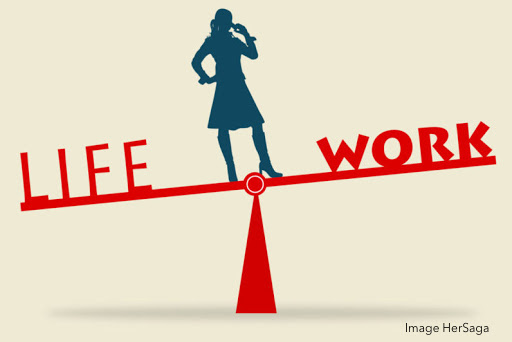 Motherhood should therefore be recognised as a structural reality of Europe’s labour market. The main occupational health and economic penalties linked to motherhood do not occur during pregnancy but emerge years later through chronic stress, reduced working hours, stalled careers and lower lifetime earnings.
Without recognising the value of care work and addressing its unequal distribution, gender gaps in employment, pay, health and pensions will persist. Care is not only a private matter but a societal function that affects women, men and children. Its costs should therefore be shared collectively through supportive policies, public services and family-friendly workplace practices.
Motherhood is not a temporary deviation from the labour-market norm. Motherhood is not a temporary condition — it is a structural dimension of working life that requires structural solutions.
Access the ETUI magazin, page 16 on Motherhood
 Share
Share Share
Share Print
Print Email
Email
Europe Must Listen to Mothers: Our landmark report heads to the European Parliament
28.08.25
On 22 September 2025, the voices of mothers will take centre stage in Brussels. For the first time, Make Mothers Matter (MMM) will present its State of Motherhood in Europe

Belgian Mothers Face Alarming Rates of Burnout and Perinatal Depression, New EU Survey Finds
03.07.25
Belgian mothers are facing a mental health crisis. According to the State of Motherhood in Europe 2024 survey by Make Mothers Matter (MMM) and Kantar, Belgium reports the highest rates

Parental Mental Health Takes Centre Stage at the French National Assembly
02.04.25
Paris, France – On April 2nd, Make Mothers Matter was honoured to have key findings from its State of Motherhood in Europe 2024 report cited at the French National Assembly