Rebuilding the Modern Village: Mothers, Children, and Older Generations in Mutual Care
12.11.25

Make Mothers Matter (MMM) submitted its recommendations to the European Commission’s initiative on Intergenerational Fairness, aiming to ensure that today’s decisions do not compromise the well-being of future generations. The initiative emphasises the importance of fostering solidarity and engagement across all ages and highlight the urgent need to address pressing challenges, including climate change, economic pressures, and demographic shifts, while ensuring that no generation is left behind.
MMM welcomes the approach of incorporating a wide range of perspectives, these include areas such as Agriculture and Rural Development, Budget, Business and Industry, Climate Action, Consumers, Culture and Media, Education and Training, Employment and Social Affairs, Energy, Environment, Justice and Fundamental Rights, Public Health, Research and Innovation, Sport, Statistics, Taxation, and Youth. While MMM focused its recommendations on a subset of these sectors, it recognises that all these areas affect mothers and families in one way or another, and that an intergenerational approach must take these interconnections into account.
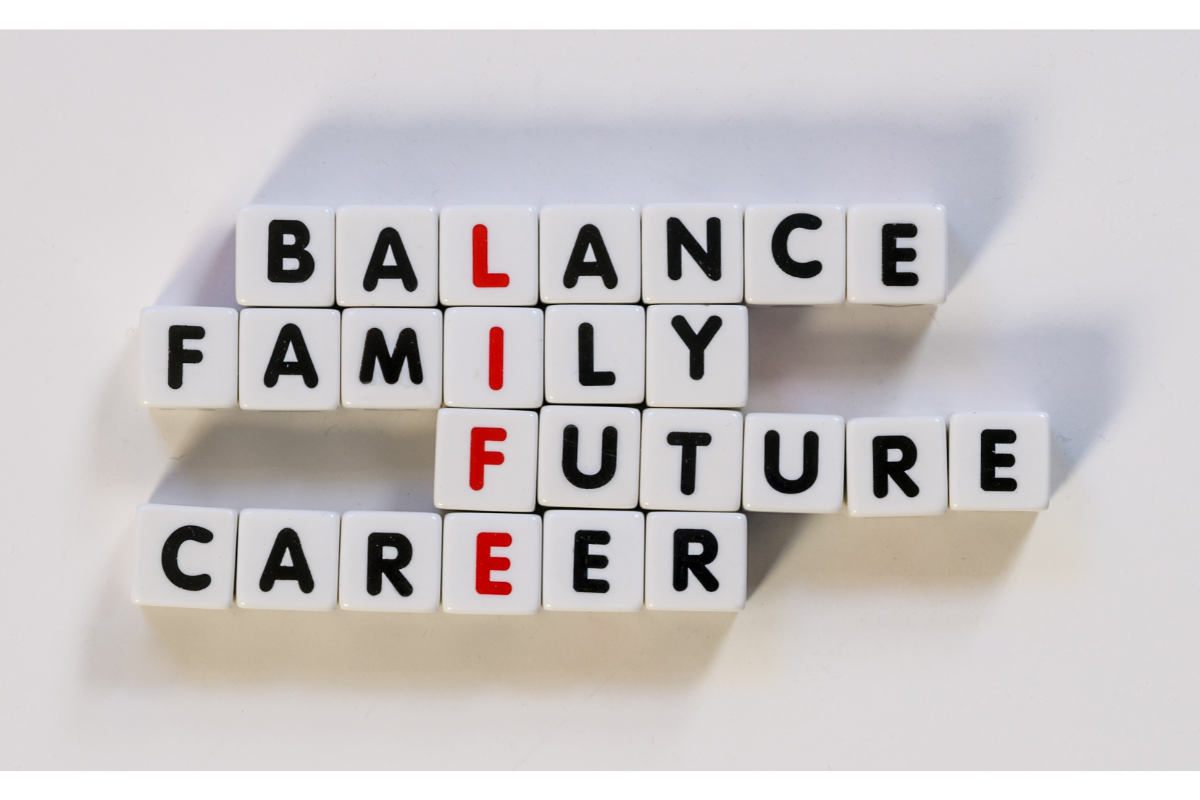
By emphasising the link between sectoral policies and maternal well-being, MMM seeks to demonstrate how targeted interventions can support mothers, families, and future generations, contributing to a more cohesive, resilient, and fair society.
Make Mothers Matter stresses that deeply rooted gender stereotypes and insufficient family-supportive policies still prevent many parents, and especially mothers, from reconciling care duties with their professional aspirations.
Although an increasing number of fathers take advantage of paternity or parental leave, women still shoulder most unpaid care and domestic tasks. This imbalance leads to the motherhood penalty, whereby mothers face structural disadvantages in employment, earnings, and career advancement compared with fathers or women without children. As a result, many mothers face greater obstacles when re-entering the labour market after childbirth. Meanwhile, men’s working hours generally remain unchanged despite family duties. This persistent gender care gap hampers women’s participation in the labour market and limits their economic independence, reinforcing wider inequalities such as the gender pay gap and women’s greater exposure to poverty.
The recent MMM European survey of more than 10.000 mothers in Europe showed us the following numbers:
- 23% of mothers reduced their working hours
- 55% of mothers changed their working status after having a child
- 35% of mothers report benefiting from a gradual return to work
- 46% benefited from adapted working hours
- Just 27% have access to teleworking options
- 27% of mothers stated motherhood negatively impacted their careers
- At least 63% of household and caregiving tasks are handled by mothers alone (and up to 70%), regardless of their employment status
- 25% of fathers took no paternity leave
 Families often choose grandparents due to lack of other options, financial constraints, and the need for trustworthy caregivers. Having raised children themselves, grandparents are often seen as naturally qualified. Their involvement, which should be based on a voluntary basis, also fosters intergenerational bonds. On the other hand retirement can bring loneliness and boredom, affecting older people’s physical and mental health. Encouraging older adults to stay active, like being engaged grandparents, helps prevent isolation and provides them with a meaningful role. This intergenerational bond holds society together and enables the transmission of knowledge and values.
Formal early childhood education and care services, as well as other support services provided by the welfare state, are essential for helping parents balance work, family, and personal life. However, when possible, grandparents biological or not, can also play an important supportive role for parents with young children, particularly mothers seeking to re-enter the labour market.
It is important, though, that such involvement remains voluntary and complementary, not a substitute for the care responsibilities or parental leave that should be equally taken by fathers.
Altogether, these connections foster social cohesion and community solidarity, rebuilding in modern form, the village of mutual support and care that so many families long for.
👉 Access our full contribution here.
 Share
Share Share
Share Print
Print Email
Email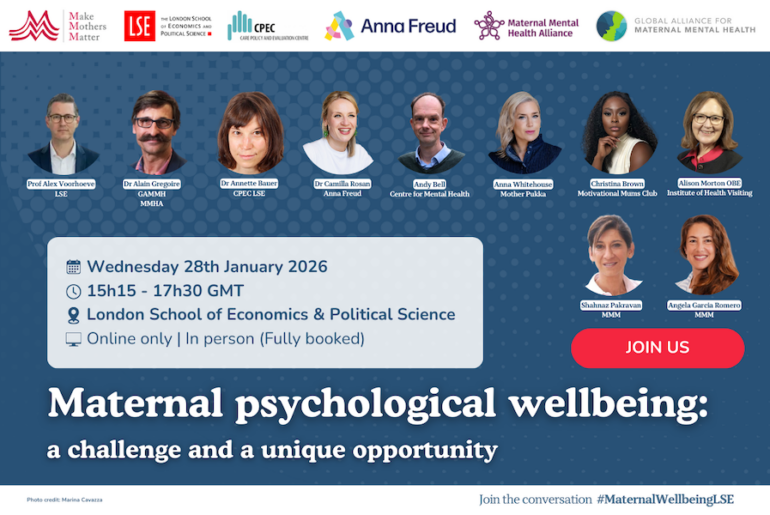
Maternal Psychological Wellbeing: A Challenge and a Unique Opportunity
13.01.26
Wednesday 28 January 2026 | 15:15 – 17:30 GMT London School of Economics & Political Science (LSE) – Live broadcast #MaternalWellbeingLSE Maternal mental health is one of the most pressing

Climate Change: A Maternal Physical and Mental Health Emergency
13.11.25
In the lead-up to the UN climate change conference in Belem, Brazil (COP30), MMM was delighted to collaborate with Dr. Saravanan Thangarajan, a Visiting Scientist & Faculty member at Harvard
Democracy on Hold: The Hidden Penalty for Parliamentarians Who Become Mothers
27.11.25
The European Parliament adopted a legislative resolution on the amendment of the European Electoral act, allowing Members to vote in plenary by proxy voting during pregnancy and after giving birth.